Design
The 6 Website Mistakes That Are Costing You E-Commerce Sales

June 7, 2026
February 24, 2026
Most e-commerce sites do not lose customers at checkout. They lose them in the first few seconds, before a product is even seen.
Slow load times, cluttered layouts, and unclear navigation do not just frustrate users. They signal that your brand cannot be trusted.
And once a visitor leaves, they rarely come back.
These are the seven design and UX mistakes most likely to be driving that drop-off, and what to fix first.
Let’s break down the 6 design and UX mistakes killing e-commerce sales and how to fix them.
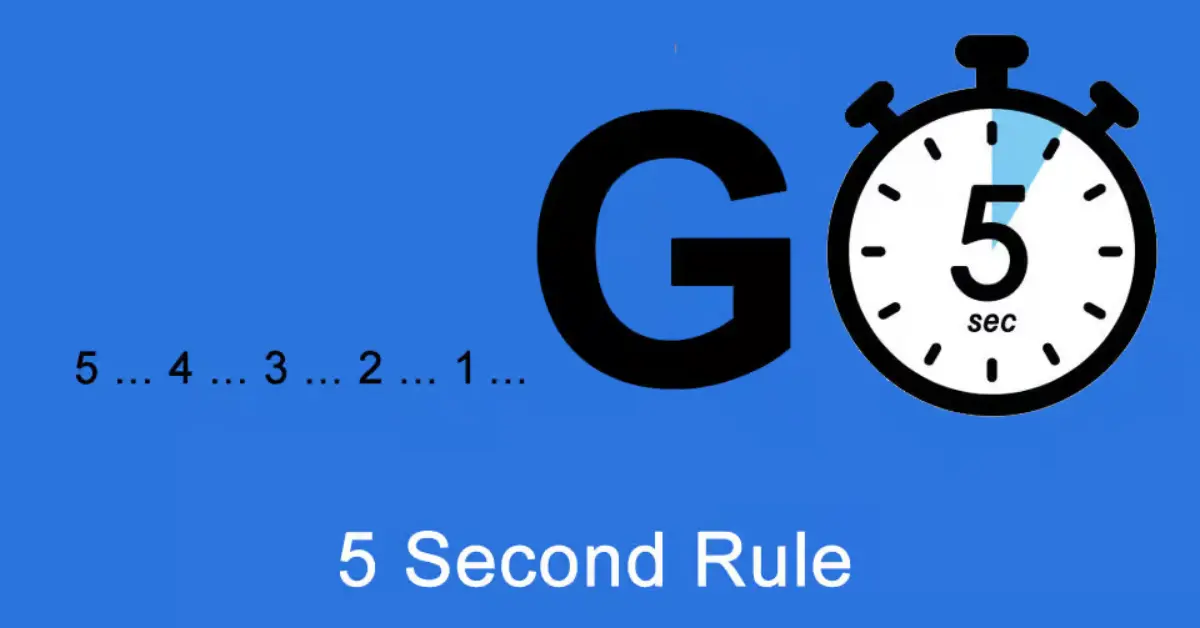
Mistake #1: Your Homepage Fails the 5-Second Rule
The Design Problem
Your homepage looks “beautiful,” but it doesn’t explain why you matter fast.
Many e-commerce sites lead with abstract headlines, oversized visuals, or lifestyle imagery that looks premium but says nothing.
Users land, scan for a few seconds, and still can’t answer three basic questions
- What do you sell?
- Who is it for?
- Why should I buy it here?
When the value hierarchy is unclear, users don’t explore. They bounce.
Why This Kills Sales
E-commerce decisions are impulse-driven. If visitors don’t immediately understand your value, they don’t scroll, click, or add to cart.
Every extra second of confusion increases drop-offs and paid traffic waste.
How to Fix It
Design your hero section for clarity, not aesthetics alone.
- Lead with a clear, outcome-driven headline
- Support it with a concise value explanation
- Add a primary CTA above the fold
- Use visuals that reinforce the product not distract from it
Mistake #2: Product Pages That Look Good but Don’t Sell
.webp)
The Design Problem
Many product pages focus only on looking beautiful. Big images take up space, but they don’t guide the user.
Features are shown, but there’s no explanation of why they matter. And important buttons like Add to Cart are hard to find.
The page looks nice but it doesn’t help people decide.
Why this kills sales
Visitors scroll through the page but don’t take action. They get confused, compare too many things, and leave without buying.
This leads to fewer add-to-cart clicks and lower sales.
How to fix it
Design the page to help users decide
- Show the most important info first
- Group price, key benefits, and trust badges together
- Keep the Add to Cart button clear, visible, and easy to click
Mistake #3: Mobile Design Treated as a Smaller Desktop
.webp)
The Design Problem
Your mobile site is just the desktop version squeezed into a smaller screen.
Text becomes hard to read. Buttons are too small to tap. Important actions sit at the top or corners, far from where thumbs naturally rest.
Users struggle instead of flowing.
Why this kills sales
Most visitors come from mobile phones, but they don’t convert.
Sessions are short, pages are skipped, and users leave before adding anything to cart. If mobile feels frustrating, sales disappear fast.
How to fix it
Design for mobile first, not last
- Create layouts made specifically for small screens
- Use large, thumb-friendly buttons
- Place key CTAs where thumbs naturally reach
- Remove unnecessary content instead of shrinking it
Mistake #4: Inconsistent Design That Breaks Trust
The Design Problem
Your website doesn’t feel like one product.
Buttons look different on each page. Spacing changes randomly. Fonts, colors, and layouts don’t follow a clear pattern.
Even simple actions behave differently across pages.
This makes the experience feel unpolished and unreliable.
Why this kills sales
Users hesitate.
When a site feels inconsistent, people subconsciously lose trust.
They second-guess the brand, hesitate to click, and feel less confident about entering payment details.
Trust drops. Conversions drop with it.
How to fix it
Make everything feel connected and predictable
- Use one clear design system for colors, fonts, and spacing
- Keep buttons, forms, and layouts consistent everywhere
- Make interactions behave the same across all pages
Mistake #5: UX Clarity Failure
The Design Problem
Your website doesn’t explain itself.
Visitors land on the page and have to figure out what you do. The visuals look nice, but they don’t say anything.
The copy sounds clever, but it’s unclear. There’s no clear order telling users where to look first.
When clarity is missing, users feel lost.
Why this kills sales
People leave fast.
First-time visitors don’t understand your value in seconds, so they bounce.
They never reach your product, pricing, or checkout.
You lose potential customers before the journey even starts.
How to fix it
Make your message obvious from the start
- One clear promise at the top of the page
- Strong visual order that answers
- What is this?
- Who is it for?
- Why should I care?
- What is this?
When users understand instantly, they stay longer and they convert.
Mistake #6: Checkout Experience That Feels Like Work
.webp)
The Design Problem
The layout makes it worse.
Fields are packed too closely. Pages look dense. There’s no visual indicator showing how many steps are left.
Users feel stuck in the process, unsure what comes next.
Why this kills sales
Customers drop off at the last moment.
High-intent users abandon their carts simply because the experience feels like effort. You don’t lose them on price, you lose them on friction.
How to fix it
Make checkout feel light and safe
- Reduce steps and remove unnecessary fields
- Show clear progress at every stage
- Use spacing, visuals, and micro-feedback to reassure users
When checkout feels fast, simple, and trustworthy, more users finish what they started.
Why These Mistakes Happen (Even in Funded Brands)
1. Smart Teams Optimize for Speed, Not Scale
Most founders design for launch, not long-term growth.
Early on, getting something live matters more than perfect UX.
Pages are built quickly to test the market, attract users, or satisfy investors. At this stage, the design works well enough.
But what works at launch often breaks at scale. As traffic grows and users diversify, early design shortcuts start hurting conversions.
2. Agencies, Templates, and Quick Fixes Add Hidden Complexity
Templates and fast agencies solve surface problems, not system problems.
Many designs look polished but lack structure. Each page is designed in isolation.
New features are added without rethinking flow. Over time, the site becomes visually busy and mentally exhausting.
The result isn’t bad design, it's unconnected design.
3. Growth Exposes Design Flaws Faster Than Anything Else
More users mean more pressure.
Higher traffic highlights slow pages. More products reveal weak hierarchy.
Increased mobile usage exposes poor responsiveness. What once felt “fine” suddenly starts leaking revenue.
Growth doesn’t create these problems,it reveals them.
Ofspace’s Perspective: How We Approach E-Commerce Fixes
At Ofspace, we don’t believe in pretty design for the sake of aesthetics. We believe in design that moves the needle.
Our approach to fixing e-commerce friction is rooted in a balance of psychology, data, and world-class UI.
When we partner with a brand to bridge the gap between traffic and conversions, we follow a rigorous process.
1. The Friction Audit & UX Research
Before we move a single pixel, we find the leaks. We use qualitative and quantitative UX Research to analyze your current user journey.
Whether it’s a Checkout Experience that feels like work or a Mobile app Design we identify high-friction zones and solve them with precision.
2. Building Scalable Design Systems
Consistency is the bedrock of trust. We don't just fix one page; we build a unified Design System.
This ensures every button, font, and interaction from your landing page to your transactional emails feels like it belongs to the same professional family.
This eliminates design debt and allows your brand to scale without losing its polish.
3. Mobile-First & Thumb-Friendly Commerce
With over 70% of e-commerce traffic happening on mobile, we prioritize Responsive Web Design.
We ensure your CTAs are reachable, your forms are simplified, and your content is legible on every screen size.
We don't just compress your site; we adapt it for the way people actually shop on the go.
4. Intentional Clarity & Branding
Our goal is to ensure your Brand Identity is so sharp that a first-time visitor knows exactly what you sell and why they need it within seconds.
By aligning your visuals with your value proposition, we create an Instant Clarity effect that drastically reduces bounce rates.
Why Choose Ofspace Over a Traditional Agency?
Choosing a design partner is a major decision for any founder. We differentiate ourselves by acting as a strategic partner, not just a vendor.
1. Speed to Market
We understand the startup pace. We deliver high-fidelity Product Prototypes quickly.
2. A Proven Track Record
From Y Combinator startups to global enterprises, we’ve completed over 500+ projects.
Check out our Portfolio to see the real-world impact we’ve had on conversion and retention.
3. Founder-Centric Mindset
We speak the language of MRR, churn, and LTV. Every design decision we make is aimed at improving your business outcomes, not just your Dribbble profile.
Ready to plug the leaks in your revenue?
If your brand is ready to move beyond good enough design and start seeing a real impact on your bottom line, let's talk.
- See the results: Read our Case Studies to see how we’ve transformed complex e-commerce flows.
- Scale your brand: Discover how our UI/UX Design Services can give you a competitive edge.
- Get a Strategy Call: Ready to start? Book a Free Consultation with our design leads today.
Final Thought
At Ofspace, we believe your website should be your best salesperson.
It’s the first thing people see, and it’s the main reason they choose to stay or leave.
If your website feels like a messy mix of different styles, or if your Checkout Process is too difficult, you are losing sales every day.
You don't need to be fancy to be successful, you just need to be clear, simple, and easy to trust.
The good news is that you don't have to fix everything at once. Start by looking at your site through your customer's eyes.
Does it feel professional? Is it easy to use?
If not, it might be time for a UX Design Update or a more consistent Design Style.
Design is more than just colors and shapes; it’s about making your business grow.
When you’re ready to stop losing visitors and start winning customers, Ofspace is here to help.
Let’s work together to turn your website into a growth machine.
FAQs
1. Why is my e-commerce website getting traffic but not sales?
Most of the time, it’s not a traffic problem. It’s a UX problem.
Users don’t clearly understand what to do, where to click, or why they should trust your site.
Confusion kills conversions faster than bad products. Start with a UX Research phase to find the leaks.
2. Do visuals really affect e-commerce sales?
Yes but only when they support clarity. Big images without guidance or hidden CTAs make users scroll without taking action.
Your Brand Identity should guide decisions, not distract from them.
3. Why do so many users abandon carts during checkout?
Because checkout often feels like work. Too many steps and no reassurance make users hesitate.
A simple and trustworthy Checkout UX is the fastest way to increase your revenue.
4. Is mobile UX really that important for e-commerce?
Absolutely. Most users browse and buy on mobile. If buttons are hard to tap or content feels cramped, users leave.
We prioritize Mobile-First Design to ensure you don't lose these shoppers.
5. How does Ofspace approach e-commerce UX differently?
Ofspace doesn’t design for looks alone. We design with business goals in mind focusing on clarity, user behavior, and conversion.
Every decision is tied to growth. Explore our Portfolio to see how we turn design into a competitive advantage.