Branding
Top 10 Branding Trends in 2026: What Every Startup in NYC Should Know

June 7, 2026
February 2, 2026

Branding trends in 2026 are evolving due to AI adoption, crowded markets, and more informed buyers.
Strategies that worked in 2024 and 2025 are no longer enough to build differentiation or trust.
This article outlines the top 10 branding trends shaping 2026, what’s driving these changes, and how startups can adapt without overcomplicating their brand strategy.
Let's dive in.
Top 10 Branding Trends to watch in 2026
So what are the top 10 best trending brands that we need to check out in 2026?
Here is a quick 10 Branding Trends List with Stats & Examples for everyone to get familiar with!!
1. Minimalist, Adaptive Visuals
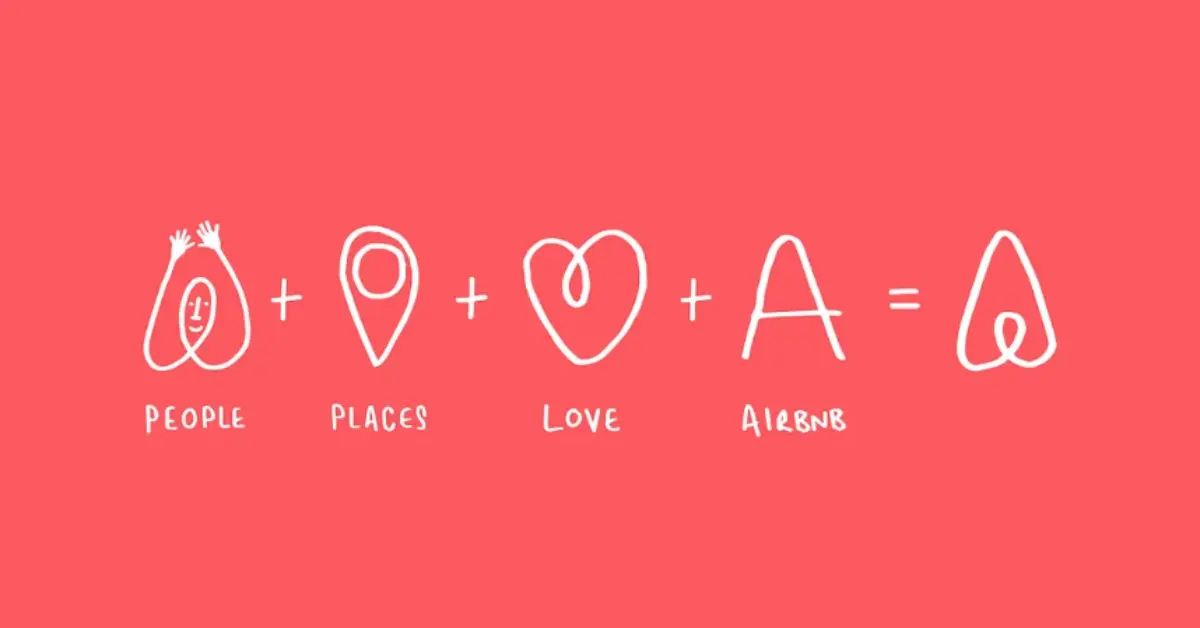
In 2026, brands don’t live on one screen rather than exist across apps, wearables, dashboards & Microinterfaces. Because static logos break fast.
85% of top-tier brands now use responsive logos that intelligently adopt screen sizes.
For example, Airbnb ( The Bélo symbol simplifies and reshapes itself across mobile, desktop, and immersive interfaces without losing recognition).
Here is the key takeaway is if your logo can’t scale, your brand won’t scale.
2. Motion First Systems
Static brands feel invisible in a world dominated by short form videos, product motion etc.
Kinetic brand system means motion based visual identity that brings a brand to life through animation & movement brings 39.7% higher brand recognition than static only designs in 2026.
Jaguar rebuilt its brand identity around motion signaling innovation before a single word is read.
.webp)
3. AI-Assisted Asset Creation
AI didn’t kill branding, rather it led humans to adopt fast brand assets guided by strategy.
This means core purpose of branding for instance building trust, human connection, feelings etc couldn’t be done without human touch.
At the same time, AI is helping to create thousands of websites in minutes which couldn't be done by humans.
AI handles the quantity while humans handle the quality.
77% of creative leaders now call AI an essential partner for scaling brand assets at speed.
Nutella used AI to create 7 million unique jar designs.
.webp)
4. Inclusive & Accessible Design
Accessibility is no longer compliance, it’s conversion.
80% of consumers are more likely to buy from brands with WCAG 2.2 compliant, inclusive digital paths.
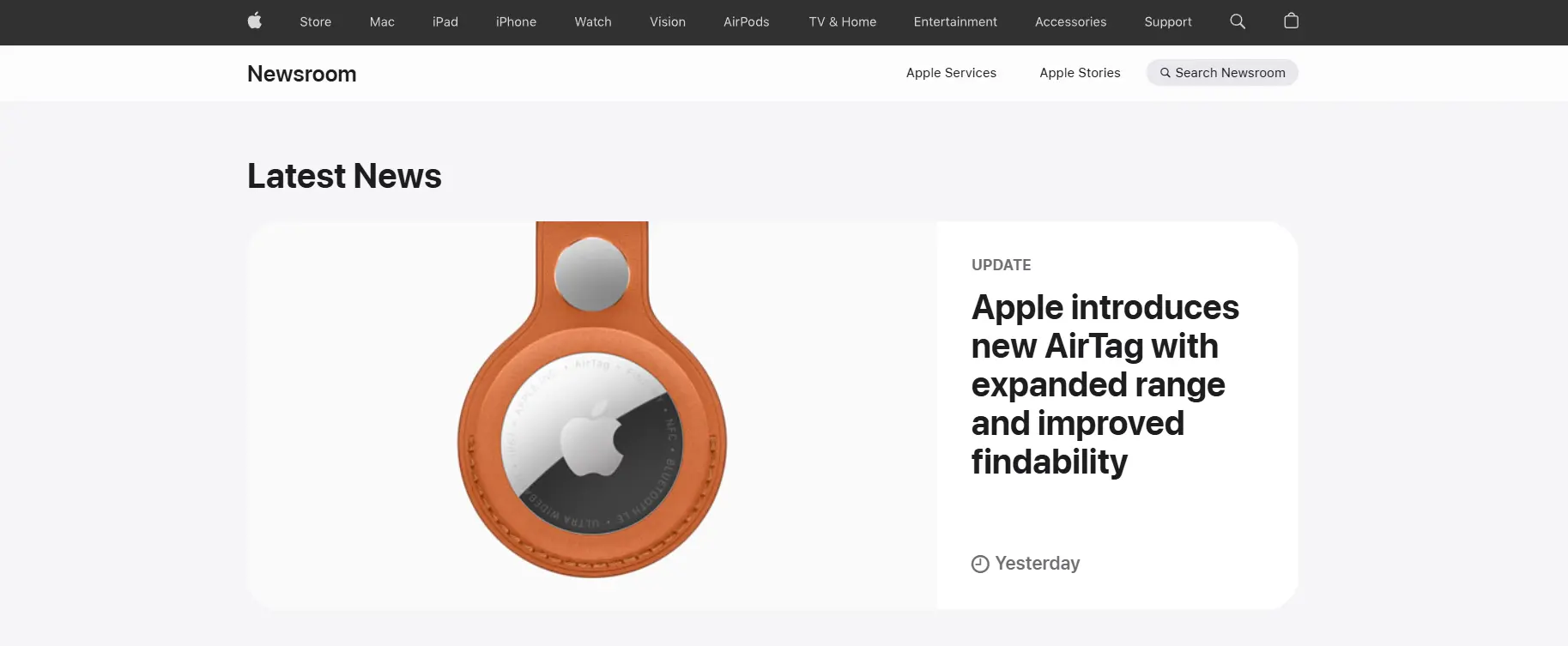
Apple The industry leader in neuro inclusive & tactile design uses it.
.png)
5. Personalized Brand Identity
In 2026, customers expect brands to understand them.
In the past, companies tried to talk to everyone at once but today if the brand looks & sounds the same for every customer, they will ignore it.
Hyper-personalization leads to 60% higher repurchase rates for brands that get their users.
Spotify AI DJ & Wrapped campaigns made personalization part of the branding.
.webp)
6. Sustainable & Purpose-Led Branding
In the past, being "green" made you stand out. Today, customers expect every brand to be eco-friendly.
It is no longer a bonus, it is the minimum requirement to stay in business.
92% of consumers see sustainability as a non negotiable strategy not just a marketing add on.
Patagonia the Worn Wear program makes circularity a core brand identity.
.webp)
7. Audio & Multisensory Branding
Sound is becoming the fastest way to trigger recognition. Our brains process sound much faster than images.
A short tune can make you think of a brand before you even see their logo.
The consumer audio market reached $61.6B in 2026 as Sonic Logos became the new digital handshake.
Mastercard uses a distinct sonic identity for every payment touchpoint.
.webp)
8. Community Centric Brand Building
In 2026, we are flooded with advertisements and because of this we have learned to ignore them.
That is why we look to real people like friends, family or even strangers to tell us if the product is really good or not.
A recommendation from real people is much more powerful than any product billboard.
79% of purchase decisions in 2026 are influenced by user generated content over traditional ads.
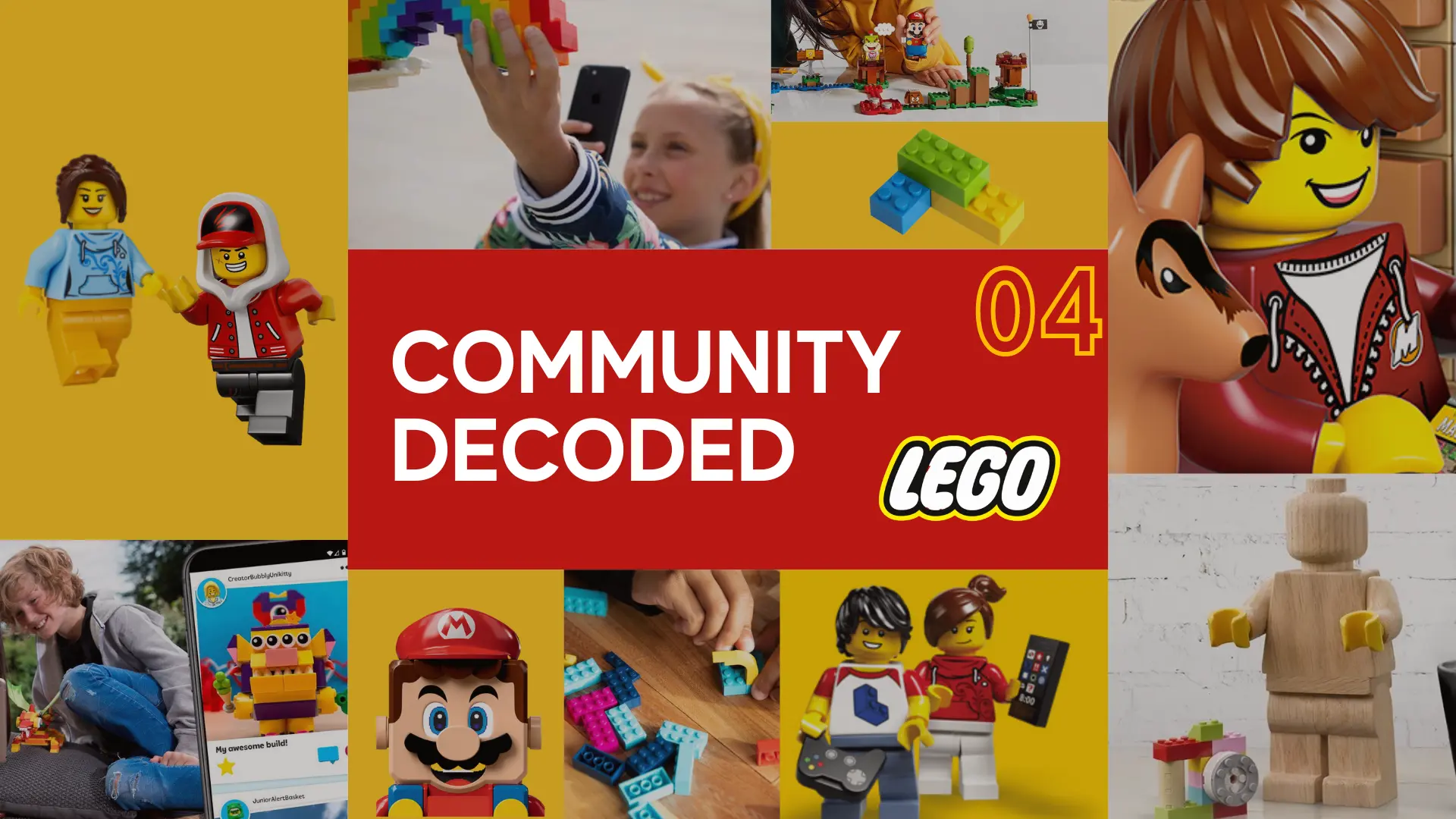
LEGO Ideas turns fans into product designers and brand stakeholders.
.webp)
9. Data Privacy as Brand Trust
In the past, companies hid their privacy policies in long, boring documents. Now, brands use privacy as a way to stand out.
If you tell your customers, "We don't track you," it becomes a reason for them to choose you over a competitor.
75% of consumers will abandon a brand they don't trust with their data.
DuckGo (A multi-billion dollar brand built purely on data privacy).
.webp)
10. Publishing Trending Topics
When a brand writes about popular topics or future forecasts, more people find them on Google.
Instead of just searching for a "product," people search for "advice," and they find your brand first. It’s the fastest way to get new eyes on any business.
Brands using trend led publishing see 155% more search activity after initial display.
Google Business consistently publishes high-value trend forecasts to lead industry talk.
.webp)
Why following Branding trends matters in 2026.
Branding in 2026 isn't just about looking modern, it is about how durable your brand is.
We are in the era where AI can generate a logo in just a few seconds, so here trend is not just a visual fad it is a response to how humans now experience, feel or have ideas towards a business.
Ignoring these trends doesn't make your brand smart rather it usually makes it invisible.
1. Closing the Expectation Gap
People’s expectations change faster than most companies can keep up.
Today, users expect a brand to feel the same everywhere on apps, websites, wearables, and even physical products.
Impact
Adopting Adaptive Visuals (Trend #1) ensure you don't look broken on new devices.
While many companies have brand guidelines, very few apply them properly. Brands that stay consistent stand out and feel more trustworthy.
2. Trust is the New Algorithm
With AI content everywhere, people rely more on trust than ever before when choosing brands.
Most people now prefer buying from brands they already trust, not the loudest ones.
Impact
Modernizing your Data Privacy (Trend #10) and Accessibility (Trend #4) signals that you respect your user.
It moves your brand from being a vendor to a "partner."
3. Avoiding the “Static Brand” Problem
Brands that don’t evolve start to feel outdated, even if their product is good. Static visuals struggle in a world dominated
by motion, video, and interactive interfaces.
Impact
If your brand stands still while the world moves to short-form video and interactive UI, you will be called out of date.
In 2026, outdated branding is perceived as a lack of innovation in your actual product or service.
4. Reducing Decision Friction
By 2026, customers are overwhelmed with options. Too many choices often lead to hesitation instead of action.
In this environment, a brand’s job isn’t to show more features, it's to make decisions easier.
Impact
Trends like Audio Branding (#7) and Personalization (#5) create ‘“sensory shortcuts." They help a customer recognize your brand and trust your
value proposition in under two seconds.
5. Future Proofing for Scalable Growth
Brands that ignore evolving trends often pay for it later with costly rebrands and resets.
Impact
By building a Community-Centric (Trend #9) and Adaptive system now, you create a flexible framework.
This allows you to launch new products or enter new markets without having to "re-introduce" yourself every time.
Now, let's see what benefits it brings to the table in 2026.
1. Ability to Command a Premium Price
In 2026, branding is the bridge between a commodity and a luxury experience. When you build a strong brand, customers stop comparing your
prices to competitors and start paying for the perceived value, status, and reliability you offer.
2. Lower Customer Acquisition Cost (CAC)
A recognized brand acts as its own marketing engine. By establishing authority, you reduce the need for expensive paid ads because
customers will search for you directly. This organic pull is essential for staying profitable in 2026's competitive digital landscape.
.webp)
3. Fostering Community and Long-term Loyalty
Modern branding turns customers into advocates. By creating a space for community and co-creation, you ensure that your audience
feels like part of the brand’s story, which leads to much higher retention rates than traditional marketing ever could.
4. Attracting and Retaining Top Talent
Your brand is your loudest recruitment tool. In 2026, the best talent wants to work for companies that have a clear vision and a specific factor.
A strong employer brand ensures you spend less on hiring and keep your best players longer.
5. Building Trust through Purpose and Values
In a world full of skepticism, a brand with clear, sustainable values stands out. Consumers in 2026 prioritize brands that stand for something bigger than just profit, creating a trust that protects the business during market shifts.
.webp)
Why working with a Branding expert like Ofspace is important in this Era
Branding in 2026 has moved beyond aesthetics,it is now a game of technical precision, psychological trust, and rapid adaptability.
Trying to DIY your brand or hire a generalist is no longer a cost-saving measure, it's a growth-stunting risk.
That's why partnering with a specialized expert like Ofspace is the clever move to cope up with current branding trends.
Lets see how Ofspace can help you to mitigate challenges.
1. Solve Your Branding Challenges and Move with Confidence
We’ve helped 200+ businesses build strong, memorable brands that increase recognition, boost loyalty, and drive success in competitive markets.
Ask yourself first where you are currently stuck and find solution from Ofspace
2. Not Sure How to Position Your Brand?
We’ll refine your messaging to make sure your brand speaks directly to the right people and highlights your unique value.
3. Brand Growth Feeling Stuck?
Our approach helps your brand evolve with your business, making scaling 25% more efficient while staying true to your core message.
4. Not Getting Enough Attention?
We’ll build a brand strategy that boosts recognition and makes sure your audience remembers you for all the right reasons.
5. Losing Customer Loyalty?
Our branding creates strong emotional connections that keep your customers coming back, driving long-term growth.
Our Branding Services for You
We will help you from giving Brand guidelines to Audience analysis by following strategic directions.
To be more specific, here is a broad discussion of how Ofspace contributes to branding.
1. Brand Guidelines
Establish standards that ensure brand consistency and recognition.
2. Audience Analysis
Gain deep insights into your target market to tailor your message.
3. Visual Positioning
Craft a distinctive visual narrative that sets you apart.
4. Brand Collaterals
Create cohesive materials that reinforce your brand's identity.
5. Icon and Illustrations
Design unique icons and illustrations that enhance brand recognition.
6. Visual Identity System
Achieve seamless brand consistency across all platforms.
7. Brand Application
Integrate your brand identity across all touchpoints for maximized impact.
8. Impactful Launch
Introduce your reimagined brand to the world with a precise rollout campaign.
9. Iconic Logos
Create memorable logos that encapsulate your brand's essence.
Top Branding Mistake to Look For
1. Treating Branding as Just Visual Design
Many companies still confuse branding with logos and colors. In 2026, branding is how users experience your product, trust your message, and remember you.
Ignoring this leads to weak differentiation.
2. Building Static Brand Systems
Brands that don’t adapt across devices, platforms, and contexts quickly feel outdated.
Static logos and rigid guidelines fail in a world of motion, personalization, and multi-screen experiences.
3. Overusing AI Without Human Direction
AI can generate assets fast, but brands that rely on it without strategy lose personality. When everything looks “generated,” nothing feels meaningful or trustworthy.
4. Ignoring Accessibility and Inclusion
Poor contrast, unreadable typography, or motion-heavy interfaces exclude users. In 2026, accessibility isn’t optional, it directly affects brand trust and reach.
5. Chasing Trends Without Brand Fit
Adopting trends just because they’re popular creates inconsistency. Trends should strengthen your brand system, not override your identity or confuse your audience.
Wrap Up
As we move through 2026, the gap between "commodity businesses" and "iconic brands" is widening.
Branding is no longer just about a logo, it is your business's operating system. It dictates how AI search engines find you,
how much customers are willing to pay you, and how easily you can scale into new markets.
The goal remains the same: Build a brand that people feel, trust, and choose.
FAQs
Are branding trends in 2026 only relevant for big companies?
No. Startups and growing companies benefit the most because modern brand systems help them scale faster without expensive redesigns later.
How often should a brand update its identity?
Instead of full rebrands, brands should build flexible systems that evolve continuously across products, platforms, and campaigns.
Can AI replace branding experts in 2026?
AI can support execution, but it can’t replace strategy, positioning, or emotional understanding. Strong brands still need human direction.
What’s the biggest branding risk in 2026?
Being inconsistent. Brands that look and sound different across touchpoints lose trust faster than those with simpler but consistent systems.